

In this post, we will present you the main specifics of caffeine and kilos coffee. On this page, you will discover each of the crucial qualities of caffeine and kilos coffee that may help you make a good choice.
Table of Contents
- 1 What is the best caffeine and kilos coffee to buy?
- 2 Best Caffeine And Kilos Coffee Reviews
- 3 Offers and Discounts
- 4 Cheap Caffeine And Kilos Coffee
- 5 Buy Caffeine And Kilos Coffee Online
- 5.1 Caffeine and Kilos, PR Blend High Caffeine Ground Gourmet Coffee (12oz Bag) Organic Light Medium Roast, Extra Strength Pre Workout Coffee - Fresh Roasted in the USA
- 5.2 Caffeine and Kilos, PR Blend Coffee Cartridges | Light Medium Roast | Single Serve | K-Cup Coffee Pods for Keurig Coffee Maker
- 5.3 Caffeine and Kilos, Night Train Blend Coffee | High Caffeine Pre Workout Coffee | Dark Roast | Ground Coffee | Organic | Strong Coffee | Fresh Roasted in USA
- 5.4 Funny Caffeine Weightlifting Workout Gifts Coffee & Kilos T-Shirt
- 5.5 Caffeine and Kilos, Diesel Blend Coffee, High Caffeine Pre Workout Coffee, Medium Roast, Organic, Strong Coffee, Fresh Roasted in USA (12 oz, Whole Bean)
- 5.6 Caffeine and Kilos, Thunderbolt Blend Coffee, High Caffeine Pre Workout Coffee, Light Roast, Whole Bean Coffee, Organic, Strong Coffee, Fresh Roasted in USA (12 oz, Whole Bean)
- 5.7 Coffee And Kilos Shirt Weightlifting Gift T-Shirt
- 5.8 Four Sigmatic Mushroom Ground Coffee, Lion's Mane, 12 Ounce
- 5.9 100 SToK Caffeinated Unsweetened Black Coffee Shots.
- 5.10 Black Rifle Coffee Ground (CAF (Medium, 2x Caffeine), 12 Ounce)
- 6 Best Caffeine And Kilos Coffee 2025
What is the best caffeine and kilos coffee to buy?

Here is the best choice of other customers buying items related to caffeine and kilos coffee. To get more choices, have a look at our full recomendations of Caffeine And Kilos Coffee or use the search box.
Many individuals have used the caffeine and kilos coffee before, so you can take full advantage of what they have to say regarding it. Continue reading to view the top seller items and what other folks have to state on them.
Best Caffeine And Kilos Coffee Reviews
Watch the following products to learn much more about caffeine and kilos coffee to make an educated selection.
- HIGH CAFFEINE COFFEE – Caffeine and Kilos Ground Coffee features 50% more caffeine than your average cup of coffee. If you need a little extra energy in the morning or some more motivation at the gym, have a cup of one the strongest coffees available today
- IMPROVES FITNESS PERFORMANCE – Caffeine is known to help improve your energy and alertness while training or working out. The caffeine in PR Blend coffee grinds can provide you with more alertness and focus while being able to help with muscle repair and fat burning
- USE AS A PRE-WORKOUT – Ditch artificial ingredient filled pre-workouts and use an all-natural, organic high caffeine coffee blend instead. PR Blend ground coffee helps you power through your workouts by providing you with smooth, clean energy - No pre-workout jitters or tingles
- ALL NATURAL BLEND – 100% Organic Fair Trade Coffee that is all natural, never with any added ingredients - The only ingredient is coffee! Our smooth, light medium roast features mild acidity and sweetness with nutty undertones
- ROASTED IN THE USA – Caffeine and Kilos Strong Ground Coffee is freshly roasted and packed right here in California, USA. Ethically sourced organic coffee beans from South America. Our gourmet specialty coffee makes great gifts for coffee lovers
- HIGH CAFFEINE COFFEE – Caffeine and Kilos Ground Coffee features 50% more caffeine than your average cup of coffee. If you need a little extra energy in the morning or some more motivation at the gym, have a cup of one the strongest coffees available today
- IMPROVES FITNESS PERFORMANCE – Caffeine is known to help improve your energy and alertness while training or working out. The caffeine in PR Blend coffee grinds can provide you with more alertness and focus while being able to help with muscle repair and fat burning
- USE AS A PRE-WORKOUT – Ditch artificial ingredient filled pre-workouts and use an all-natural, organic high caffeine coffee blend instead. PR Blend ground coffee helps you power through your workouts by providing you with smooth, clean energy - No pre-workout jitters or tingles
- ALL NATURAL BLEND – 100% Organic Fair Trade Coffee that is all natural, never with any added ingredients - The only ingredient is coffee! Our smooth, light medium roast features mild acidity and sweetness with nutty undertones
- ROASTED IN THE USA – Caffeine and Kilos Strong Ground Coffee is freshly roasted and packed right here in California, USA. Ethically sourced organic coffee beans from South America. Our gourmet specialty coffee makes great gifts for coffee lovers
- HIGH CAFFEINE COFFEE – Caffeine and Kilos Ground Coffee features 50% more caffeine than your average cup of coffee. If you need a little extra energy in the morning or some more motivation at the gym, have a cup of one the strongest coffees available today
- IMPROVES FITNESS PERFORMANCE – Caffeine is known to help improve your energy and alertness while training or working out. The caffeine in PR Blend coffee grinds can provide you with more alertness and focus while being able to help with muscle repair and fat burning
- USE AS A PRE-WORKOUT – Ditch artificial ingredient filled pre-workouts and use an all-natural, organic high caffeine coffee blend instead. PR Blend ground coffee helps you power through your workouts by providing you with smooth, clean energy - No pre-workout jitters or tingles
- ALL NATURAL BLEND – 100% Organic Fair Trade Coffee that is all natural, never with any added ingredients - The only ingredient is coffee! Our smooth, light medium roast features mild acidity and sweetness with nutty undertones
- ROASTED IN THE USA – Caffeine and Kilos Strong Ground Coffee is freshly roasted and packed right here in California, USA. Ethically sourced organic coffee beans from South America. Our gourmet specialty coffee makes great gifts for coffee lovers

- HIGH CAFFEINE COFFEE – Caffeine and Kilos Ground Coffee features 50% more caffeine than your average cup of coffee. If you need a little extra energy in the morning or some more motivation at the gym, have a cup of one the strongest coffees available today
- IMPROVES FITNESS PERFORMANCE – Caffeine is known to help improve your energy and alertness while training or working out. The caffeine in PR Blend coffee grinds can provide you with more alertness and focus while being able to help with muscle repair and fat burning
- USE AS A PRE-WORKOUT – Ditch artificial ingredient filled pre-workouts and use an all-natural, organic high caffeine coffee blend instead. PR Blend ground coffee helps you power through your workouts by providing you with smooth, clean energy - No pre-workout jitters or tingles
- ALL NATURAL BLEND – 100% Organic Fair Trade Coffee that is all natural, never with any added ingredients - The only ingredient is coffee! Our smooth, light medium roast features mild acidity and sweetness with nutty undertones
- ROASTED IN THE USA – Caffeine and Kilos Strong Ground Coffee is freshly roasted and packed right here in California, USA. Ethically sourced organic coffee beans from South America. Our gourmet specialty coffee makes great gifts for coffee lovers

- HIGH CAFFEINE COFFEE – Caffeine and Kilos Ground Coffee features 50% more caffeine than your average cup of coffee. If you need a little extra energy in the morning or some more motivation at the gym, have a cup of one the strongest coffees available today
- IMPROVES FITNESS PERFORMANCE – Caffeine is known to help improve your energy and alertness while training or working out. The caffeine in PR Blend coffee grinds can provide you with more alertness and focus while being able to help with muscle repair and fat burning
- USE AS A PRE-WORKOUT – Ditch artificial ingredient filled pre-workouts and use an all-natural, organic high caffeine coffee blend instead. PR Blend ground coffee helps you power through your workouts by providing you with smooth, clean energy - No pre-workout jitters or tingles
- ALL NATURAL BLEND – 100% Organic Fair Trade Coffee that is all natural, never with any added ingredients - The only ingredient is coffee! Our smooth, light medium roast features mild acidity and sweetness with nutty undertones
- ROASTED IN THE USA – Caffeine and Kilos Strong Ground Coffee is freshly roasted and packed right here in California, USA. Ethically sourced organic coffee beans from South America. Our gourmet specialty coffee makes great gifts for coffee lovers

- HIGH CAFFEINE COFFEE – Caffeine and Kilos Ground Coffee features 50% more caffeine than your average cup of coffee. If you need a little extra energy in the morning or some more motivation at the gym, have a cup of one the strongest coffees available today
- IMPROVES FITNESS PERFORMANCE – Caffeine is known to help improve your energy and alertness while training or working out. The caffeine in PR Blend coffee grinds can provide you with more alertness and focus while being able to help with muscle repair and fat burning
- USE AS A PRE-WORKOUT – Ditch artificial ingredient filled pre-workouts and use an all-natural, organic high caffeine coffee blend instead. PR Blend ground coffee helps you power through your workouts by providing you with smooth, clean energy - No pre-workout jitters or tingles
- ALL NATURAL BLEND – 100% Organic Fair Trade Coffee that is all natural, never with any added ingredients - The only ingredient is coffee! Our smooth, light medium roast features mild acidity and sweetness with nutty undertones
- ROASTED IN THE USA – Caffeine and Kilos Strong Ground Coffee is freshly roasted and packed right here in California, USA. Ethically sourced organic coffee beans from South America. Our gourmet specialty coffee makes great gifts for coffee lovers
Offers and Discounts
If you are looking for cheap Caffeine And Kilos Coffee, here we will post any offer that we find:
If there are no available offers, bookmark this page and come back later. Price and availability change quickly.
Cheap Caffeine And Kilos Coffee
The cheapest options among the top 10:
Buy Caffeine And Kilos Coffee Online
Caffeine and Kilos, PR Blend High Caffeine Ground Gourmet Coffee (12oz Bag) Organic Light Medium Roast, Extra Strength Pre Workout Coffee - Fresh Roasted in the USA
- HIGH CAFFEINE COFFEE – Caffeine and Kilos Ground Coffee features 50% more caffeine than your average cup of coffee. If you need a little extra energy in the morning or some more motivation at the gym, have a cup of one the strongest coffees available today
- IMPROVES FITNESS PERFORMANCE – Caffeine is known to help improve your energy and alertness while training or working out. The caffeine in PR Blend coffee grinds can provide you with more alertness and focus while being able to help with muscle repair and fat burning
- USE AS A PRE-WORKOUT – Ditch artificial ingredient filled pre-workouts and use an all-natural, organic high caffeine coffee blend instead. PR Blend ground coffee helps you power through your workouts by providing you with smooth, clean energy - No pre-workout jitters or tingles
- ALL NATURAL BLEND – 100% Organic Fair Trade Coffee that is all natural, never with any added ingredients - The only ingredient is coffee! Our smooth, light medium roast features mild acidity and sweetness with nutty undertones
- ROASTED IN THE USA – Caffeine and Kilos Strong Ground Coffee is freshly roasted and packed right here in California, USA. Ethically sourced organic coffee beans from South America. Our gourmet specialty coffee makes great gifts for coffee lovers

Caffeine and Kilos, PR Blend Coffee Cartridges | Light Medium Roast | Single Serve | K-Cup Coffee Pods for Keurig Coffee Maker
- HIGH CAFFEINE COFFEE – Caffeine and Kilos Ground Coffee features 50% more caffeine than your average cup of coffee. If you need a little extra energy in the morning or some more motivation at the gym, have a cup of one the strongest coffees available today
- IMPROVES FITNESS PERFORMANCE – Caffeine is known to help improve your energy and alertness while training or working out. The caffeine in PR Blend coffee grinds can provide you with more alertness and focus while being able to help with muscle repair and fat burning
- USE AS A PRE-WORKOUT – Ditch artificial ingredient filled pre-workouts and use an all-natural, organic high caffeine coffee blend instead. PR Blend ground coffee helps you power through your workouts by providing you with smooth, clean energy - No pre-workout jitters or tingles
- ALL NATURAL BLEND – 100% Organic Fair Trade Coffee that is all natural, never with any added ingredients - The only ingredient is coffee! Our smooth, light medium roast features mild acidity and sweetness with nutty undertones
- ROASTED IN THE USA – Caffeine and Kilos Strong Ground Coffee is freshly roasted and packed right here in California, USA. Ethically sourced organic coffee beans from South America. Our gourmet specialty coffee makes great gifts for coffee lovers

Caffeine and Kilos, Night Train Blend Coffee | High Caffeine Pre Workout Coffee | Dark Roast | Ground Coffee | Organic | Strong Coffee | Fresh Roasted in USA
- HIGH CAFFEINE COFFEE – Caffeine and Kilos Ground Coffee features 50% more caffeine than your average cup of coffee. If you need a little extra energy in the morning or some more motivation at the gym, have a cup of one the strongest coffees available today
- IMPROVES FITNESS PERFORMANCE – Caffeine is known to help improve your energy and alertness while training or working out. The caffeine in PR Blend coffee grinds can provide you with more alertness and focus while being able to help with muscle repair and fat burning
- USE AS A PRE-WORKOUT – Ditch artificial ingredient filled pre-workouts and use an all-natural, organic high caffeine coffee blend instead. PR Blend ground coffee helps you power through your workouts by providing you with smooth, clean energy - No pre-workout jitters or tingles
- ALL NATURAL BLEND – 100% Organic Fair Trade Coffee that is all natural, never with any added ingredients - The only ingredient is coffee! Our smooth, light medium roast features mild acidity and sweetness with nutty undertones
- ROASTED IN THE USA – Caffeine and Kilos Strong Ground Coffee is freshly roasted and packed right here in California, USA. Ethically sourced organic coffee beans from South America. Our gourmet specialty coffee makes great gifts for coffee lovers

Funny Caffeine Weightlifting Workout Gifts Coffee & Kilos T-Shirt
- Funny coffee graphic designs on wardrobe for morning people, coffee bean heads, moms, doctors, nurses, office co-workers, & caffeine enthusiasts. Great pair with your cup of mocha, latte, Americano or macchiato served hot or cold by your favorite barista.
- WHO DID YOU THINK OF WHEN YOU SAW THIS COFFEE WARDROBE? You see them in this Caffeine Loaded Graphic Art, don't you? Order it now so everyone else can see them in it, whether chillin' or out to get a latte, mocha or espresso.
- Lightweight, Classic fit, Double-needle sleeve and bottom hem

Caffeine and Kilos, Diesel Blend Coffee, High Caffeine Pre Workout Coffee, Medium Roast, Organic, Strong Coffee, Fresh Roasted in USA (12 oz, Whole Bean)
- HIGH CAFFEINE COFFEE – Caffeine and Kilos Coffee features 50% more caffeine than your average cup of coffee. If you need a little extra energy in the morning or some more motivation at the gym, have a cup of one the strongest coffees available today
- IMPROVES FITNESS PERFORMANCE – Caffeine is known to help improve your energy and alertness while training or working out. The caffeine in Diesel Blend coffee grinds can provide you with more alertness and focus while being able to help with muscle repair and fat burning
- USE AS A PRE-WORKOUT – Ditch artificial ingredient filled pre-workouts and use an all-natural, organic high caffeine coffee blend instead. Diesel Blend ground coffee helps you power through your workouts by providing you with smooth, clean energy - No pre-workout jitters or tingles
- ALL NATURAL BLEND – 100% Organic Fair Trade Coffee that is all natural, never with any added ingredients - The only ingredient is coffee! Our smooth, light medium roast features mild acidity and sweetness with nutty undertones
- ROASTED IN THE USA – Caffeine and Kilos Strong Ground Coffee is freshly roasted and packed right here in California, USA. Ethically sourced organic coffee beans from South America. Our gourmet specialty coffee makes great gifts for coffee lovers

Caffeine and Kilos, Thunderbolt Blend Coffee, High Caffeine Pre Workout Coffee, Light Roast, Whole Bean Coffee, Organic, Strong Coffee, Fresh Roasted in USA (12 oz, Whole Bean)
- HIGH CAFFEINE COFFEE – Caffeine and Kilos Ground Coffee features 50% more caffeine than your average cup of coffee. If you need a little extra energy in the morning or some more motivation at the gym, have a cup of one the strongest coffees available today
- IMPROVES FITNESS PERFORMANCE – Caffeine is known to help improve your energy and alertness while training or working out. The caffeine in PR Blend coffee grinds can provide you with more alertness and focus while being able to help with muscle repair and fat burning
- USE AS A PRE-WORKOUT – Ditch artificial ingredient filled pre-workouts and use an all-natural, organic high caffeine coffee blend instead. PR Blend ground coffee helps you power through your workouts by providing you with smooth, clean energy - No pre-workout jitters or tingles
- ALL NATURAL BLEND – 100% Organic Fair Trade Coffee that is all natural, never with any added ingredients - The only ingredient is coffee! Our smooth, light medium roast features mild acidity and sweetness with nutty undertones
- ROASTED IN THE USA – Caffeine and Kilos Strong Ground Coffee is freshly roasted and packed right here in California, USA. Ethically sourced organic coffee beans from South America. Our gourmet specialty coffee makes great gifts for coffee lovers

Coffee And Kilos Shirt Weightlifting Gift T-Shirt
- Coffee And Kilos
- This Coffee And Kilos Shirt is a nice gift for men and women who love to work out. Wear this weightlifting tshirt at the gym or coffee shop. Wear this awesome Coffee And Kilos outfit on Try Weightlifting Day.
- Lightweight, Classic fit, Double-needle sleeve and bottom hem
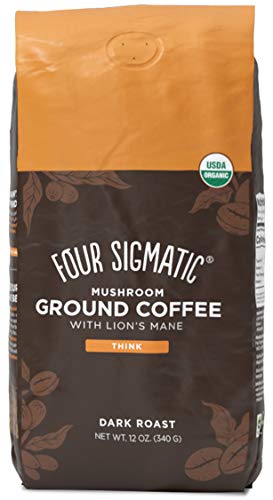
Four Sigmatic Mushroom Ground Coffee, Lion's Mane, 12 Ounce
- POWER ON CREATIVE FOCUS: Half the caffeine, more mental clarity; replace your regular beans with ground 100% organic Arabica coffee beans & 500mg of organic Lion’s Mane + Chaga mushroom powder
- MEMORY, CONCENTRATION, FOCUS: Organic Lion’s Mane mushroom is a natural nootropic shown to support memory, focus & concentration; Recognized for its support of cognitive function, Lion’s Mane extract kickstarts your morning
- IMMUNE SUPPORT: Four Sigmatic mushroom coffee has organic chaga mushroom, with antioxidant properties to support immune function & well-being; Plus organic rhodiola root, to help fight stress
- PERFECT FOR ALL DIETS: Great if you’re vegan, paleo, keto, dairy free or gluten-free; No carriers, fillers, natural flavors or artificial flavors; All ingredients are naturally farmed or wild harvested
- NO 'SHROOMY TASTE: Tastes like coffee, not like mushrooms; Can be used in a coffee maker or for pour-over; Add a splash of coconut milk, almond cream, raw dairy, or whisk a chunk of butter to make it even better for you and your brain!
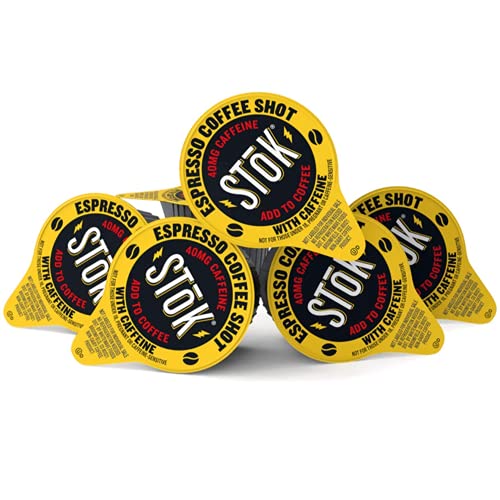
100 SToK Caffeinated Unsweetened Black Coffee Shots.
- 100 SToK Espresso Coffee Shots
- 100 Bulk Single Serve Cups, packaged in non-manufacturer 8"x6"x6" corrugated box for safe shipping
- Each 13 ml serving delivers 40 mg of caffeine
- No refrigeration needed.
- ATTN: Black fibers may accumulate at bottom of box as a result of the cup manufacturing process.
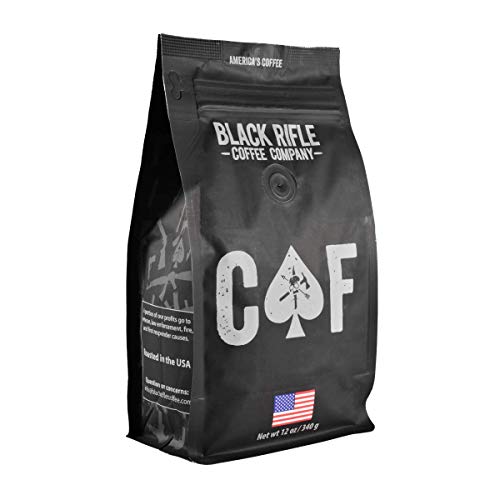
Black Rifle Coffee Ground (CAF (Medium, 2x Caffeine), 12 Ounce)
- 🌄ABOUT THIS BLEND🌄 The only roast worthy of its name, CAF delivers a high caffeine punch with a rich smoky flavor. Made for the professional coffee drinker, CAF will never disappoint. DISCLAIMER: According to the National Institute on Drug Abuse, besides death, a severe caffeine overdose can cause fast and erratic heartbeats, seizures, vomiting, diarrhea, and disorientation.
- 🌱WHOLE BEAN AND GROUND COFFEE🌱 It doesn’t matter if you want whole bean or ground coffee - Black Rifle Coffee Company has it all. If this blend isn’t what you are looking for, check out our arsenal of options. From the strongest black coffee, ground espresso, French roast coffee, and blends inspired by Italian coffee, we have blends for every kind of coffee lover.
- ☕EXTRA DARK ROAST TO LIGHT ROAST☕ You need the freshest and strongest (or smoothest) coffee around. We personally blend Brazilian & Colombian beans to create a smooth, robust flavor, no matter the roast. Get ready for gourmet coffee perfection! Great as coffee gifts or for man crates!
- 🦅HOUSE ROASTED FRESH BLENDS OF FREEDOM🦅 All of our incredible whole bean and ground coffee blends are roasted in-house to give you the freshest coffee possible. No more waking up to weak or stale coffee. Made with Colombian and Brazilian coffee beans, our coffee blends come in light roasts, medium roasts, dark roasts, and extra dark roasts. You can also brew our high quality coffee by drip, French press, pour-over, and cold brew.
- 🇺🇸 PROUDLY AMERICAN & OWNED BY VETERANS🇺🇸 If you’re looking for the world’s best coffee, get it from members of the world’s finest military. As a company owned by Veterans, we proudly support America and we proudly stand by our Veterans and Service Members. We love supporting the causes that help veterans, first responders, and law enforcement officers (thin blue line). Drink your morning specialty coffee and support our men and women in service.
After seeing the best Caffeine And Kilos Coffee 2024 lets look into the future:
Best Caffeine And Kilos Coffee 2025
These are the new Caffeine And Kilos Coffee releases available. Will the best Caffeine And Kilos Coffee 2025 be among them?
Related Products:
- High Caffeine Coffee
- Caffeine Free Coffee
- Coffee Substitute Caffeine Free
- Coffee Bean Caffeine Eye Cream
- High Caffeine Coffee K Cups
- home
- Mct Coffee
- Rae Dunn Coffee
- Veranda Coffee
- Green Coffee Plus
- Fat Free Coffee Creamer
- Coffee Storage Containers
- Styrofoam Coffee Cups
- Coffee Creamer Cups
- Starbuck Coffee Mugs
Last update 2021-01-05. Price and product availability may change.